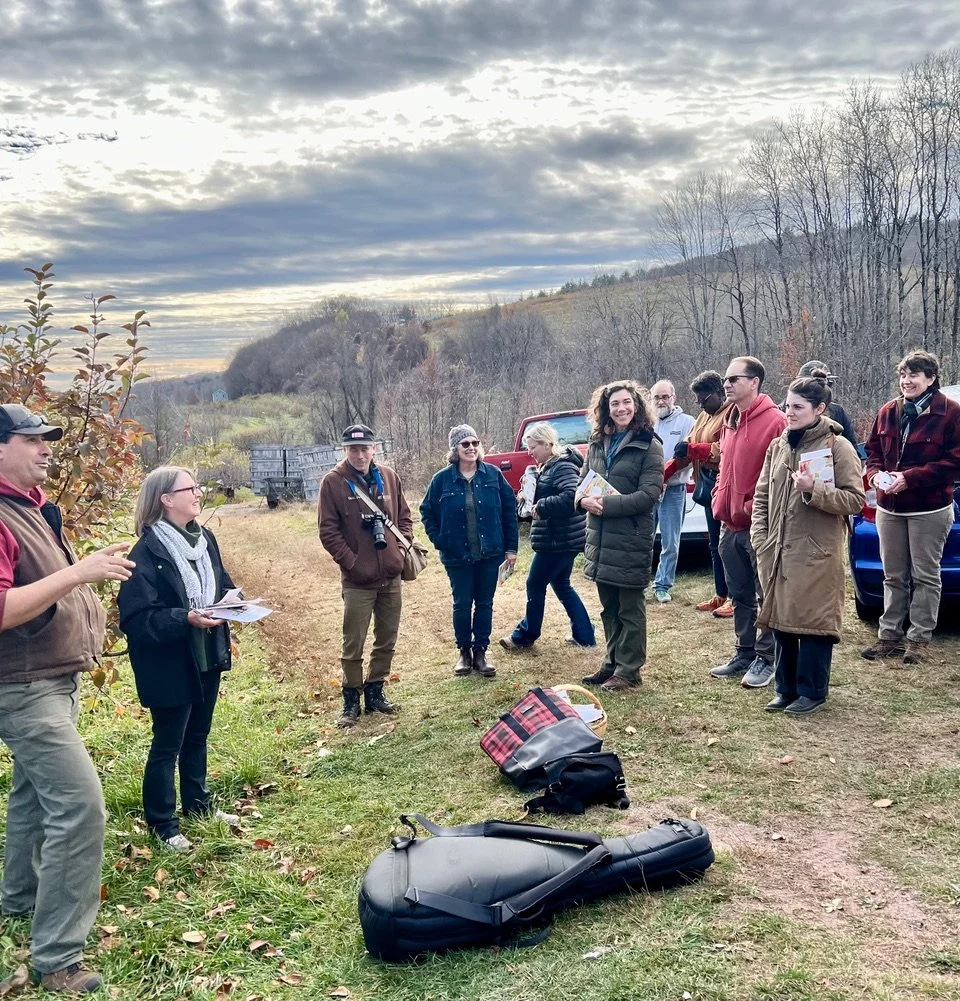
The Sense of Place Approach
A creative and practical framework for
finding stories, connection and meaning wherever you are.
Personal stories of connection help people and places thrive.
Why do some places matter to you?
What connects you to them?
What stories are there?
In a time when many people live disconnected from their communities and the nature, culture, and history that surround them, this work offers a door into connection, meaning, and well-being through a sense of place lens.
Finding personal connections to place helps us reconnect with ourselves, one another, and what matters.
This approach has been honed through more than two decades of in-the-field experience working with parks, museums, historic sites, communities, and individuals across the country. It is also informed by my own experience finding sense of place stories throughout my life, including my work as a songwriter, conservation advocate, interpretive trainer, and writing mentor.
Over the past several decades I have explored the question How can we inspire more caring for places? It’s clear information is one way to reach people. Sharing stories was another. But the real change happens when people discovered their own stories of connection. Finding those stories is what this work is all about.
Below you’ll find an introduction to the approach — how it works, what it can shift, and what becomes possible when you apply it.

The Journey
This approach gives you practical and creative ways to uncover meaning, cultivate connection, and find stories that deepen belonging and inspire caring.
Each program I offer follows an arc of discovery and includes practices and techniques that can be applied to writing, interpretation, community engagement, or personal exploration.
This work helps you see through a sense of place lens, so you can find stories, connect more deeply and recognize meaning where you are and you can create work that helps others feel that connection too.
Use this approach to:
deepen connection to yourself and belonging
uncover meaning in memories, experiences, and everyday surroundings
enrich your writing, storytelling, programs, or creative work
design experiences that help others discover their own connections
share information, stories, and ideas in ways that feel meaningful, accessible, and relevant
inspire the kind of caring that helps people and places thrive
At its core, this is about more than the practices and tools you’ll gain.. It is about a way of seeing and orienting yourself in the world — one that can shift your connection to self, place, story, and belonging.
It is a journey into how connection and caring form, and why story is often a first step toward meaning, belonging, and a lasting relationship with place.
FAQ’s
Experiencing the Work
Whether you encounter it through a workshop, training, community program, writing practice, or personal exploration, the invitation is the same: to become more aware of your relationship with place and discover the stories, meanings, and connections that relationship holds.
Through that process, you begin to see places differently, understand your own experiences more deeply, and uncover stories that can inspire connection, caring, and belonging.
The questions below offer a starting point for understanding the approach and what becomes possible when you engage with it.
What is a sense of place?
In this approach, sense of place is a meaning-making process. It helps us understand what a place means to us and how our relationship with them shapes what we notice, remember, value, and care for.
When we reflect on what we know about a place, what we have experienced there, and what we feel there, we notice more and connections begin to form. From those connections, meaning emerges. And through reflective or felt integration of knowledge, experiences and meaning, our individual and ongoing sense of place is formed.
What is a sense of place lens?
A sense of place lens is a way of seeing.
Instead of looking at a place as having features, facts and information , it invites you to look for relationships, meaning, and connection.
When you view a place through a sense of place lens, you begin to notice the layers it holds—its history, stories, ecology, culture, and the experiences people have had there. You also become more aware of the memories, perspectives, emotions, and experiences you bring to it.
A sense of place emerges through the relationship between the two.
Looking through this lens helps you move beyond simply knowing about a place and toward understanding what it means—to you and to others. It moves you from knowledge to relationship.
What is a sense of place story?
A sense-of-place story is more than a recounting of what happened. It begins with a connection to place and grows through the details, memories, observations, and insights that relationship reveals.
It shares not only the experience itself, but what that experience came to mean.
How do stories inspire caring?
Stories help us make meaning from our experiences. They reveal not only what happened, but why it mattered.
When we share stories of connection to place, we invite others into experiences, perspectives, and relationships they may not have considered before. Through stories, information becomes meaningful, places become personal, and caring becomes possible.
How is this framework applied in different kinds of Erica’s programs?
The framework remains the same, but the focus changes depending on the purpose of the program and the people involved.
In interpretive training, it helps educators, guides, and communicators understand how place connections form and how to create experiences that move beyond information delivery into meaningful engagement.
In community and organizational programs, it helps people explore shared histories, stories, and experiences that strengthen belonging, deepen appreciation, and inspire caring for places and one another.
In writing and creative programs, it provides tools and practices for uncovering personal stories, developing meaning from experience, and shaping that meaning into compelling stories and creative work.
For individuals, it offers a way to explore personal connections to place, reflect on experiences, and discover stories that deepen self-understanding and enrich everyday life.
While the applications vary, the underlying journey remains the same: helping people move from awareness and curiosity into connection, meaning, story, and caring.
Why find a personal sense of place story?
Because personal stories help us understand our relationship with places.
When we take time to reflect on our experiences, memories, and connections to a place, we often discover more than a story. We discover what matters to us, what has shaped us, and why certain places hold meaning in our lives.
That process can deepen our sense of connection—to a place, to ourselves, and to the people and communities around us. Connection often leads to caring, and caring can grow into a lasting relationship with a place.
In this approach, personal stories are more than anecdotes. They are a way of understanding how connections form. They reveal what people notice, remember, value, and care about.
If connecting people and place is the work you do, personal stories offer a powerful door in for yourself and others.
They help us understand not only where we are, but who we are in relationship to the places that shape our lives.
What is experiencing this work like?
Experiencing this work is less about learning information and more about discovering connections.
You might begin with a place, a memory, a question, or a story. Through a series of guided reflections, observations, and meaning-making practices, you'll explore your relationship with a place and what it reveals about who you are, what you value, and what matters to you.
Along the way, you'll uncover stories, insights, and connections that may have been overlooked or waiting to be expressed. Many people come away with a deeper understanding of a place, a stronger sense of connection and belonging, and new ways of bringing meaning into their work and lives.
While every experience is different, the journey often moves from awareness and curiosity into connection, meaning, story, and caring.
Explore Further
If you'd like to explore how this approach could work for you, your community, or your team, I'd love to hear what resonates and see what's possible.
Get in touch →
Learn more about Interpretive Training →
Learn more about Writing and Mentoring →
Learn more about Community Engagement and Events →
Join the mailing list →
About Erica →

Navigating the Terrain:
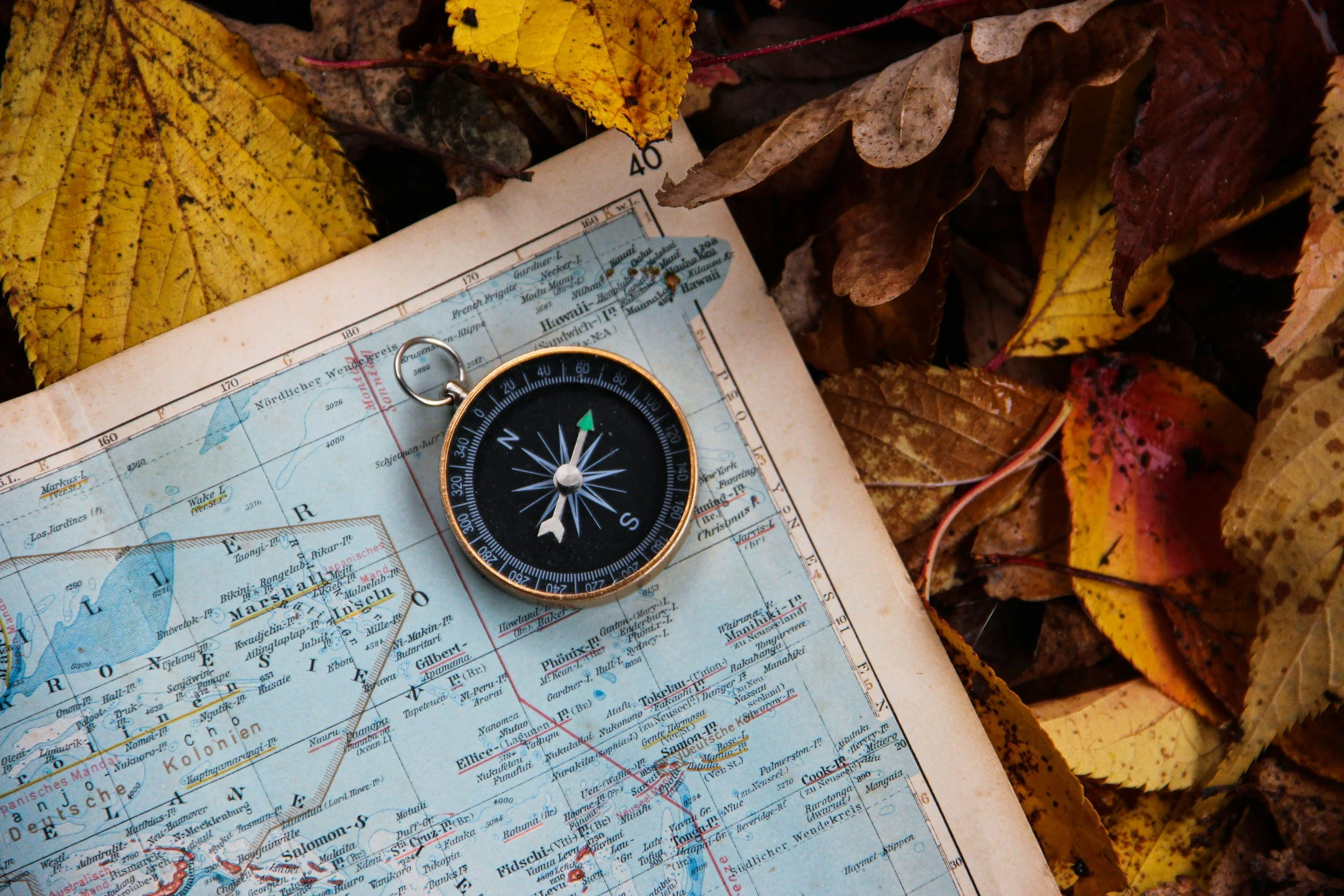
The Sense of Place Compass
All four of these dimensions are explored in my programs. Each one serves as an entry point for discovery and understanding. You don’t need to internalize these ideas, you just need to find yourself in them.
Knowledge of Self: Learning from personal stories, memories, and experience.
Knowledge of Place: Exploring layered histories, cultural narratives, ecological realities, and multiple perspectives.
Craft of Story & Meaning Making: Reflecting, integrating, and shaping meaning into stories and expressive forms.
Craft of Engagement: Developing techniques, tools, and practices that foster deeper connection and impact.
Applying this Approach in Practice
Interpretation, Conservation and Tourism
With a deeper understanding of how place connections form, you’ll approach program design, media and planning from a different perspective. You gain tools and practices to see through a sense of place lens and shift from sharing content to creating conditions for connection.
Writers and Creatives
You’ll uncover stories, ideas, and imagery grounded in your own experiences and draw on memories, observations and knowledge. You’ll experience an integrative process for moving from connection into meaning, taking your writing beyond recalling what happened in a place and time, into what it came to mean.
If you are here as an individual...
You'll gain a lens for exploring your inner and outer landscapes—slowing down, paying closer attention, and rediscovering meaning in your experiences and the places that have shaped you. You'll become more rooted in where you are and more connected to who you are.