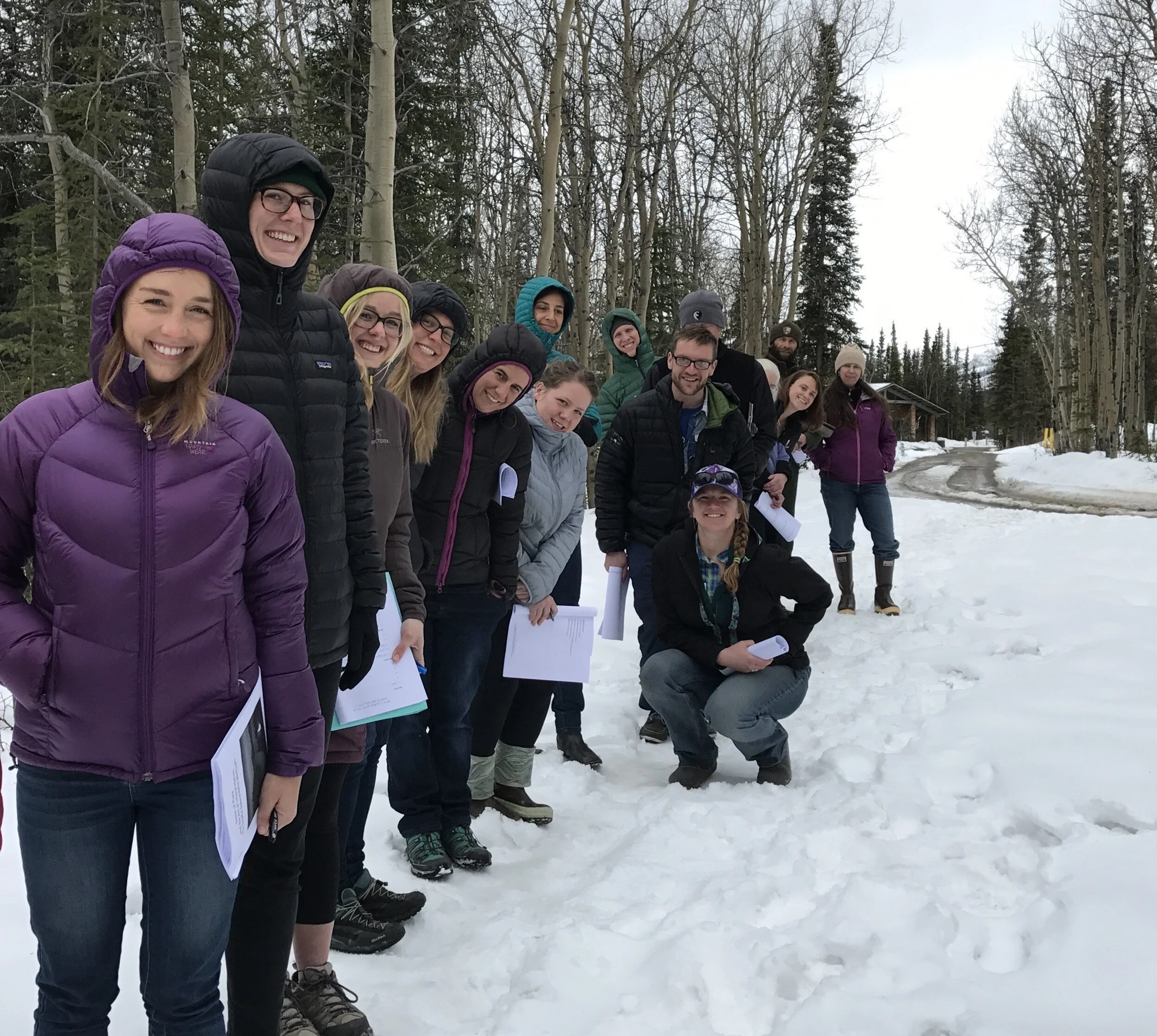
Sense of Place and the
Art of Interpretation Training
For Parks, Museums, Heritage Sites, and Organizations

National Association for Interpretation & Sense of Place Consulting Training (Online)
January 19 & 20, 2027 12-4 PM, ET
Register Here (Limited to 16) →
Sense of Place Story Intensive
This workshop helps participants transform site knowledge into meaningful Sense of Place Stories they can share with visitors.
Working with their own site material throughout the training, participants experience a practical process for viewing a resource through the layers of time, story, and perspective it holds. They explore places, objects, and histories through personal, cultural, historical, and natural lenses, uncovering new story possibilities, shaping ideas into concise, thematic stories, and crafting experiences that help visitors discover their own meanings and connections.

Elevate your interpretive skills
Sense of Place and the Art of Interpretation helps interpreters, educators, guides, planners, media specialists, volunteers, and site-based teams translate interpretive goals into visitor experiences that are meaningful, resonate and relevant.
Drawn from more than two decades of experience working with parks, museums, heritage sites, conservation organizations, and National Park Service teams across the country, these practical trainings are rigorous and inspirational.
They provide a fresh perspective on interpretive foundations, content development, delivery skills and planning. Participants return to their work with stronger tools, honed skills, renewed energy, and a greater sense of vitality in their interpretive practice.
Whether you are on-boarding new staff, refreshing existing programs, developing a specific site story, or strengthening interpretive practice across a team, these training formats are designed to meet your needs for depth and development, ranging from full signature trainings to targeted skill-building experiences.

Participants Gain:
Fresh ways to see familiar resources, stories, and site experiences
Stronger stories, themes, and narrative structures
More coherent programs, tours, exhibits, and visitor experiences
Practical tools for content development, engagement, and delivery
Greater skill in working with layered and complex stories
Clear frameworks for shaping meaningful visitor experiences
Renewed or clearer sense of confidence, creativity, and purpose in interpretive work

The Sense of Place Approach
Interpretation has always sought to help people connect more deeply with places, stories, objects, and histories in meaningful ways.
Sense of Place Interpretation supports that goal with a clear framework for content development, delivery techniques, and program design.
Using this approach, participants learn to see more of what a place, object, event, or story holds: layers of time, perspective, memory, meaning, and lived experience. They learn to translate facts into meaning and site knowledge into visitor experiences that feel meaningful, coherent, and alive.
The shift begins with a different starting point, asking not only what is the information we hope to share, but what is the connection we hope to cultivate between visitors and this site.
From that starting point, meaning and story come into focus. Themes sharpen, structure strengthens and visitor experiences become more engaging, more relevant, and more memorable.

Questions?

Interested in a Training for your Team?

Interested in Joining a Training as an Individual?
"I used to DREAD the outline process. I would be stuck in the muck for days. Erica has given me the boots I need for this terrain! I will definitely use the tools/techniques and am inspired to create great visitor experiences." — Sitka National Historical Park, AK
Training Formats
Choose from 8-hour Signature Trainings, or extended training in 14 hour and 21 hour formats for addition additional depth in content, development, delivery skills and implementation. Shorter, skill specific targeted trainings also available.
All Training is Available Onsite or Online| Travel Costs are Additional
Signature Trainings
Full-Day or Multi-Day Formats

Sense of Place and the Art of Interpretation Training
For on-boarding new staff or bringing a fresh perspective to current staff. For all levels of experience. Also works across roles for team-building.
Gain a comprehensive training experience, from foundations to skill development to outline. Participants learn content development, engagement techniques, delivery skills, and interpretive craft. Includes group experiences, research and implementation.
Participants leave with practical skills for program design and delivery and a well-balanced program outline that includes essential interpretive elements.
Fee: 8-Hours $3,500
(6-24 participants)
Additional formats/Skills
14-Hour $4,500 Application
21-Hour $5,500 Implementation

Sense of Place Story
Intensive
For all levels of experience interesting in diving deep into the craft and delivery of a site story.
Design and deliver an inclusive story using a sense of place approach. Participants develop the craft of story developed from both a their connection and their knowledge of site resources including objects and events to craft a meaningful story while strengthening storytelling and delivery skills.
Participants leave with a fully developed story and hone delivery skills, ready to a apply to an interpretive program or interpretive media.
Fee: 8-Hours $3,500
(6-24 participants)
Sense of Place
Interpretive Foundations
For interpreters, media specialists, interpretive planners and teams. For all levels seeking a robust exploration into designing sense of place experiences.
Learn a practical framework for creating cohesive visitor experiences. This training helps sites explore layers of time, story, and perspective a place holds, and identify stories, meanings, and narrative threads that can inform programs, media, exhibits, and planning.
Participants leave with a with a completed Sense of Place Narrative Plan and tools to strengthen visitor experiences.
Fee: 8-Hours $3,500
(6-24 participants)
Targeted Skill-Building Trainings
2 to 5-Hour Trainings for Developing Skills in Content, Delivery, and Program Design
For teams with 6 to 24 participants
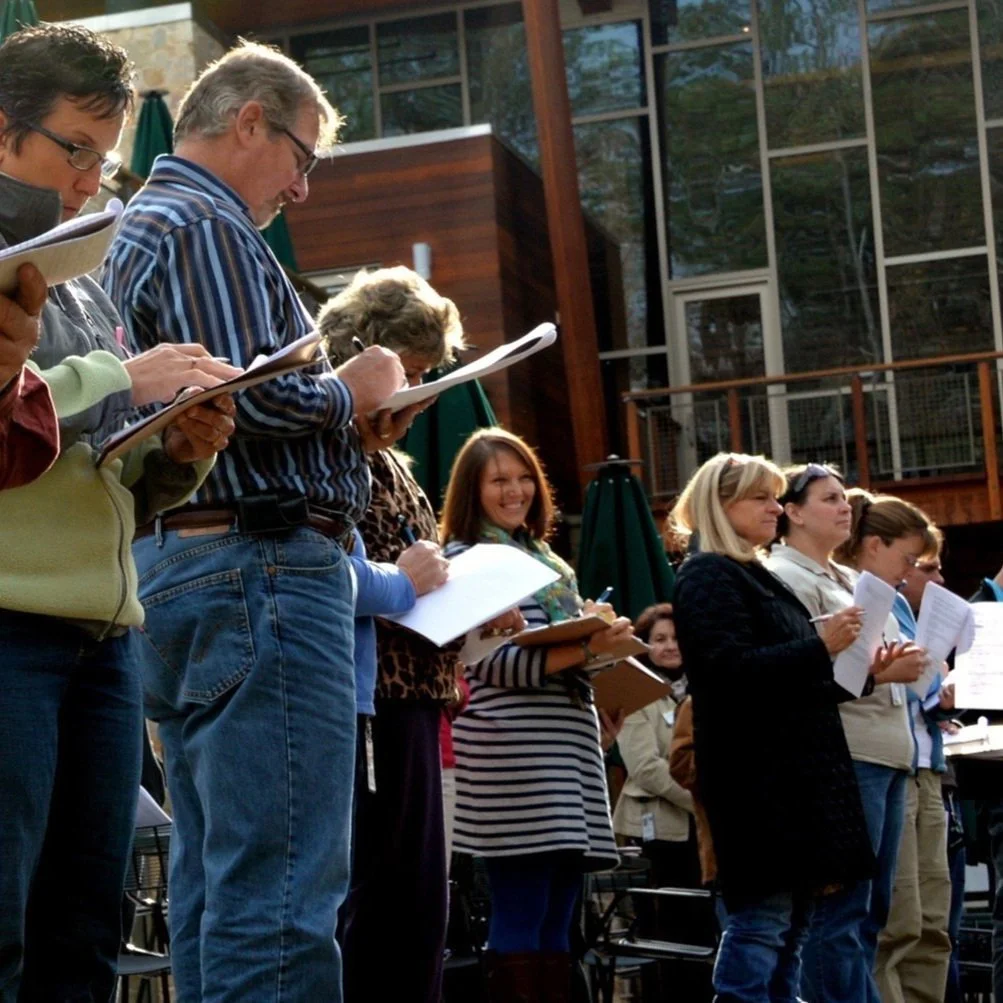
Gain a Sense of Place Perspective and Toolkit
See With a Sense of Place Lens
2 Hours $1,500
An introductory session that helps participants see familiar places, stories, and resources with fresh eyes.
This can be customized and site specific to help participants apply content directly to their site.
______________________
Sense of Place Techniques
2 Hours $1,500
Experience four key immersive practices for understanding how place connection forms and how those same principles can inform visitor experiences.
______________________
Grounded in Place
Pro Immersive Retreat
5 Hours $2,500
An experience-based journey using place-centered practices for renewal, creativity, reflection, and professional insight.
Gain skills to use in programs right away.
Story & Content Development
From Facts to Meaning
4 Hours $2,500
Find meaningful stories within site resources and develop stronger themes, concepts, and interpretive possibilities.
____________________
From Experience to Story: Develop a Personal Sense of Place Story
2 Hours $1,500
Use your experiences to gain foundational interpretive story skills and a deeper sense of place. Learn how lived experiences can hold meaningful connections that become stories worth sharing.
______________________
Develop a Sense of Place Site Story 4 Hours $2,500
Refine a site story and strengthen delivery skills for sharing interpretive content with greater clarity, confidence, and impact.
Program Design & Delivery
Build a Technique Toolkit
3 Hours $2,000
Experiment with engagement techniques, audience participation strategies, and approaches for reaching different visitors and learning styles.
______________________
Deliver a Sense of Place Site Story 4 Hours $2,500
Refine a site story and strengthen delivery skills for sharing interpretive content with greater clarity, confidence, and impact.
______________________
Sense of Place Narrative Sequencing
5 Hours$3,000
Learn to create coherent tours, exhibits, programs, and visitor experiences, particularly for layered, complex, or non-linear stories.
Questions?
Interested in a Training for your Team?
Interested in Joining a Training as an Individual?
"We brought Erica in to help us master the art of storytelling and to learn how to share the meaning of these places even more effectively. When we worked with Erica before, it was one of the most meaningful experiences of my career. I was thrilled by seeing the growth in rangers and the inspiration they gleaned."
— National Mall and Memorial Parks, Washington, DC
What if interpretive training did more than build skills?
What if it also strengthened purpose, presence, and creativity in the work itself?
This training supports that kind of growth.
It helps interpreters build stronger skills and a stronger foundation for using them well, so the work becomes clearer, more grounded, and more alive for both practitioners and visitors. When working with teams it helps to develop a cohesive learning experience.
This Training Helps Teams:
Work more effectively with layered and complex histories
Onboard new staff and volunteers
Refresh and strengthen existing programs
Develop new tours, exhibits, media, and visitor experiences
Participate in a shared approach to program design and development
Strengthen interpretive coherence and team build across site roles
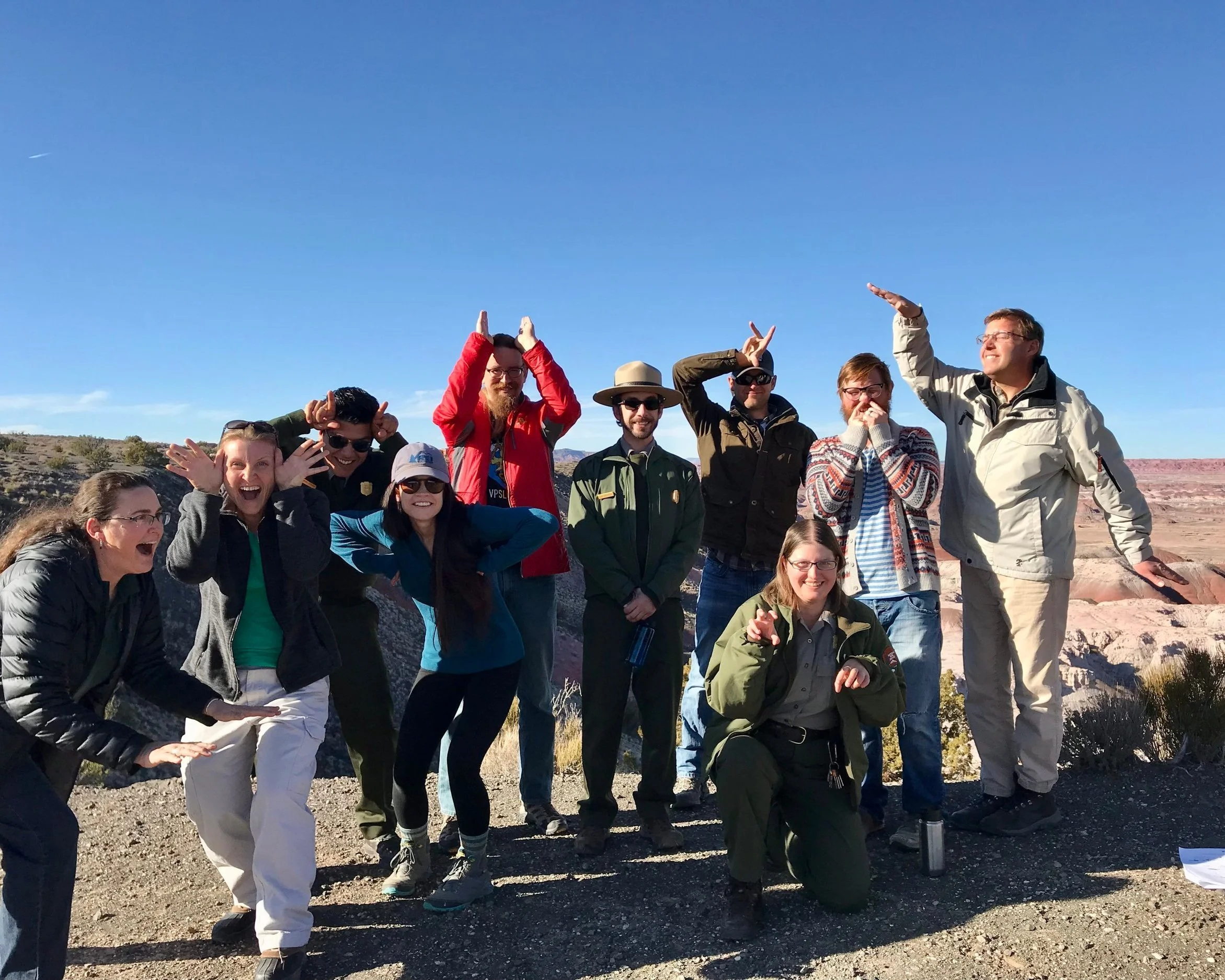
Meet Your Trainer
Erica Wheeler is an interpretive trainer and the founder of Sense of Place Consulting. She is the creator of the Sense of Place and Story Framework.
For over 20 years, she has worked with parks, museums, heritage sites, and communities. Her experience includes training staff at more than 45 National Park Service sites nationwide, helping them design and deliver engaging visitor experiences.
She's also keynoted at events from the National Association for Interpretation to the National State Parks Directors Conference, as well as several Governor's Conferences on Tourism.
Her work helps interpreters translate site knowledge into meaningful visitor experiences through story, place, and connection.

Prior Interpretive Training Includes
National Park Service Sites:
Acadia NP
Adams NHP
Assateague Island NS
Bandelier NM
Big Thicket NP
Cape Cod NP
Denali National Park and Preserve
Everglades NP
Fredrick Law Olmsted NHS
Ft. Stanwix NHS
Gateway NRA
Governors Island NM
Grant-Khors NHS
Great Sands NP
Great Smokies NP
Hawai’i Volcanoes NP
John Fitzgerald Kennedy NHS
Hopewell Furnace NHS
Hot Springs NP
Independence NHP
Marsh Billings Rockefeller NH
Mesa Verde NP
National Mall and Memorial Parks
Niagara Falls National Heritage Area
Organ Pipe Cactus NM
Petrified Forest NP
Salem Maritime NHS
Saint Gaudens NHS
Sagamore Hill NHS
Saugus Iron Mill NHS
Springfield Armory NHS
White Sands NM
Women's Rights NHP
Wrangell-St. Elias National Park and Preserve
Yosemite NP
Other Training and Events
Professional Organizations:
National Association for Interpretation (NAI) Keynote, Training, Breakout Session, Webinars
American Association for State and Local History (AASLH)
Conference Training Session
New England Museum Association (NEMA) Conference Training Session, Webinars
State Parks, Historic Sites and Conservation Organizations:
State Parks · Historical Societies · Regional Land Trusts and Conservation Groups
"I observed my staff applying Erica's approach and feel that the level of programs this year was just outstanding. Even our more 'science-based' interpreters brought in more of the emotional, reflective techniques. Her ideas were especially effective for creating that baseline of connection that leads to meaningful dialogue."
— Cape Cod National Seashore, MA
What Team Leaders Say
“Erica provided our interpretive staff with a fresh angle on interpretation, new techniques, and the opportunity to stretch and experiment. Our interpreters strengthened and re-imagined their approach to sharing our resources with visitors. This training served as a solid foundation for our seasonal training." — Marsh-Billings-Rockefeller NHP & Saint-Gaudens National Historic Site
“With everyone, from our permanent to seasonal rangers, I noticed changes right away. After the training, they had adjusted the structure of their program and had a clearer theme. They seemed to have found their focus and grew from there." — Women's Rights NHP, NY
What Participants Say
“I've attended numerous sessions throughout my career, and I honestly feel that this was the best, most energetic, true feeling workshop about what we do and love."
— Howard County Parks and Recreation, MD
“Re-energizing for even the most seasoned staff."
— Fort Stanwix National Historic Site
“This is a paradigm shift for interpretation and creates a gift to offer visitors.”
— Bandelier National Monument